


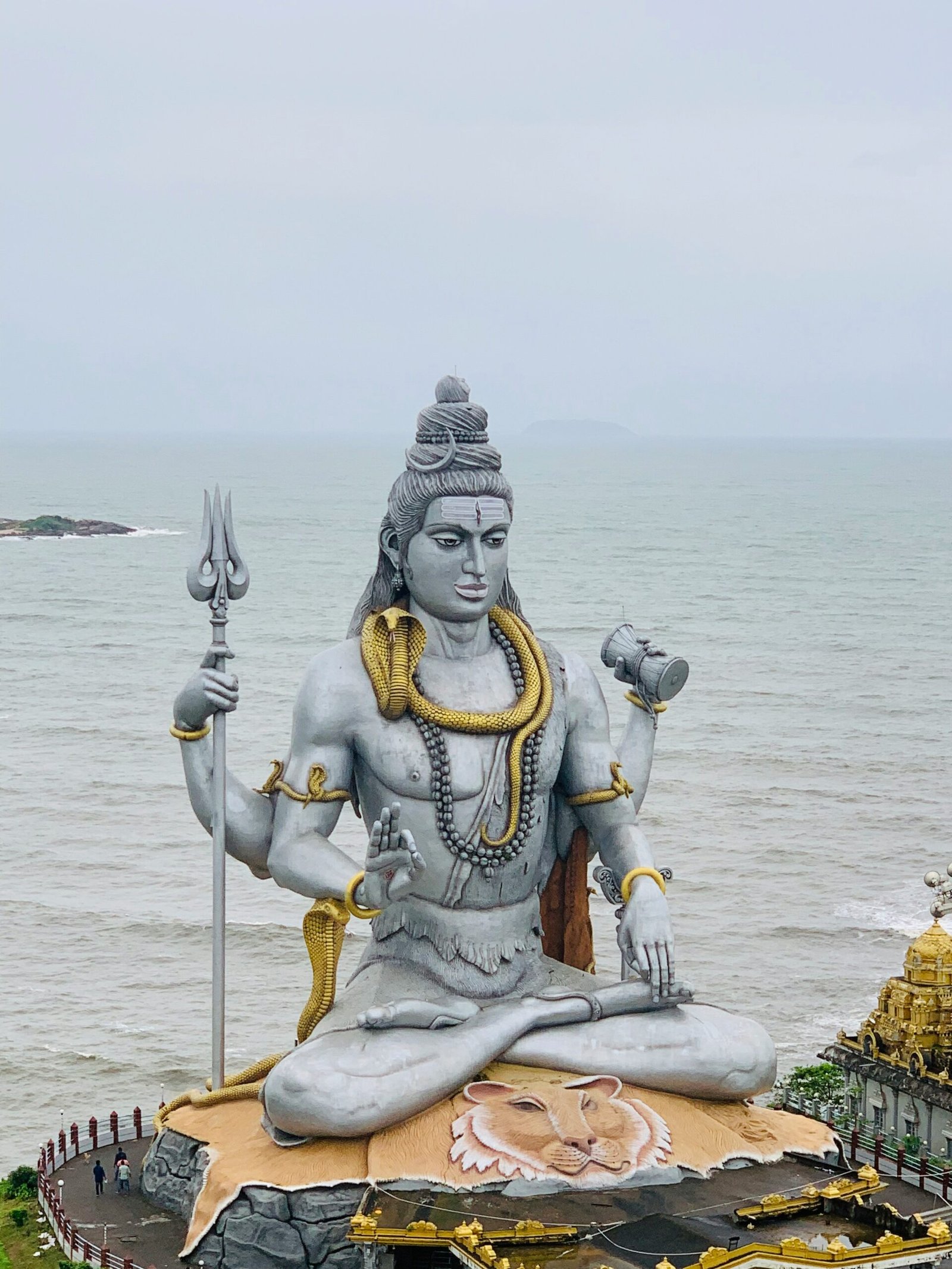
Satya Narayan Katha
- Overview
- Havan Setup
- Havan Samagri Mix
- Puja Items
- Utilities
Ritual Procedure
The puja is usually conducted by a qualified priest and includes:
-
Sankalp – Taking a sacred vow with a specific intention
-
Kalash Sthapana – Installation of a sacred pot symbolizing divine presence
-
Ganesh Puja – Seeking blessings of Lord Ganesha before beginning
-
Satya Narayan Katha Recitation – Narration of the sacred story describing the glory of the Lord
-
Aarti and Prasad Distribution – Offering devotional songs and distributing sacred prasad (usually suji halwa or panchamrit)
The entire ceremony generally lasts 1.5 to 2 hours.
Satya Narayan Katha is a sacred Hindu ritual dedicated to Lord Vishnu in his form as Satya Narayan, the embodiment of truth and righteousness. The puja is performed to seek prosperity, peace, success, and divine blessings for the family.
Spiritual Significance
The ritual is centered around the worship of Vishnu as Satya Narayan, symbolizing truth (Satya) and sustenance of the universe. Devotees believe that performing this katha with faith and sincerity removes obstacles, fulfills wishes, and brings harmony into life.
It is commonly organized during:
-
Housewarming ceremonies (Griha Pravesh)
-
Marriage celebrations
-
Naming ceremonies
-
Business inaugurations
-
After fulfillment of a wish (mannat)
Havan Setup
1. Havan Kund: A copper, brass, or clay pit where the fire is lit.
2. Samidha (Wood): Dry Mango wood sticks are traditional, but peepal or sandalwood can also be used.
3. Ghee (Clarified Butter): Pure cow ghee for pouring into the fire.
4. Havan Samagri: A mixture of dried herbs, roots, seeds, and aromatic substances.
5. Camphor (Kapoor): For lighting the fire.
Havan Samagri Mix
If purchasing a ready-made packet, ensure it contains these key elements:
1. Til (Sesame Seeds): Black or white, symbol of protection.
2. Jau (Barley): Symbolizes prosperity.
3. Akshat (Unbroken Rice): Mixed with turmeric.
4. Medicinal Herbs/Resins: Guggul (resin), Sandalwood powder, Loban, Cloves (Laung), Cardamom (Elaichi).
5. Sugar/Khadisakhar: Sugar crystals.
Puja Items
• Kalash (Lota): A metal pot filled with water, topped with coconut and mango leaves.
• Flowers and Garlands: Fresh flowers.
• Mango Leaves: Used for sprinkling water.
• Kumkum and Haldi (Turmeric/Vermilion): For Tilak.
• Betel Leaves & Betel Nuts (Supari): Usually 5 or 11 sets.
• Panchamrit: A mixture of milk, curd, honey, ghee, and sugar.
• Incense sticks (Agarbatti) or Dhoop.
• Fruits and Sweets: For Naivedya/Prasad.
• Coins: Used for sankalpa (vow) and offerings.
• Moli (Kalawa/Red Thread): Sacred thread.
Utilities
• Havan Spoon (Pali): Copper or brass ladle for offering ghee.
• Aasan (Mat): A mat or woollen seat to sit on.
• Panchpatra & Spoon: Small bowl and spoon for holding sanctified water.
• Towels/Paper Napkins: For cleaning hands.
Related products
-
 CAD 251.003 HoursLive Stream
 -
 CAD 251.003 HoursLive Stream
 -
 CAD 251.003 HoursLive Stream
 -
 CAD 251.003 HoursLive Stream