


Pind Daan
- Overview
- Havan Setup
- Havan Samagri Mix
- Puja Items
- Utilities
Pind Daan is performed to:
-
Offer respect and gratitude to ancestors
-
Liberate departed souls from earthly attachments
-
Remove Pitru Dosha (ancestral karmic debts)
-
Bring peace, prosperity, and harmony to the family
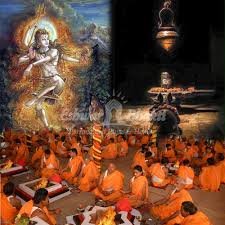
It is especially significant during Pitru Paksha, when thousands of devotees gather in Gaya to perform the ritual.
Ritual Process
The ceremony is conducted by experienced priests (Gayawal Pandas) and typically includes:
-
Sankalp (taking a sacred vow)
-
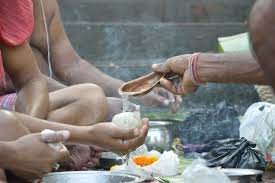
Offering pind (rice balls mixed with sesame and barley)
-
Tarpan (water offerings)
-
Recitation of Vedic mantras
The ritual may take a few hours and can be completed in one day, though some families choose extended rituals.
Pind Daan in Gaya is one of the most sacred rituals in Hindu tradition, performed for the salvation (moksha) of departed ancestors. The holy city of Gaya in Bihar is considered the most powerful and spiritually significant place for performing this ritual.
Why is Gaya So Important?
According to ancient scriptures, Lord Vishnu blessed Gaya as the ultimate place for ancestral offerings. It is believed that performing Pind Daan here grants peace to the souls of forefathers and frees them from the cycle of rebirth.
The ritual is primarily performed at:
-
Vishnupad Temple – Built over the sacred footprint of Lord Vishnu.
-
Phalgu River – A holy river where pind offerings are made.
-
Akshayavat – The eternal banyan tree associated with ancestral blessings.
Havan Setup
1. Havan Kund: A copper, brass, or clay pit where the fire is lit.
2. Samidha (Wood): Dry Mango wood sticks are traditional, but peepal or sandalwood can also be used.
3. Ghee (Clarified Butter): Pure cow ghee for pouring into the fire.
4. Havan Samagri: A mixture of dried herbs, roots, seeds, and aromatic substances.
5. Camphor (Kapoor): For lighting the fire.
Havan Samagri Mix
If purchasing a ready-made packet, ensure it contains these key elements:
1. Til (Sesame Seeds): Black or white, symbol of protection.
2. Jau (Barley): Symbolizes prosperity.
3. Akshat (Unbroken Rice): Mixed with turmeric.
4. Medicinal Herbs/Resins: Guggul (resin), Sandalwood powder, Loban, Cloves (Laung), Cardamom (Elaichi).
5. Sugar/Khadisakhar: Sugar crystals.
Puja Items
• Kalash (Lota): A metal pot filled with water, topped with coconut and mango leaves.
• Flowers and Garlands: Fresh flowers.
• Mango Leaves: Used for sprinkling water.
• Kumkum and Haldi (Turmeric/Vermilion): For Tilak.
• Betel Leaves & Betel Nuts (Supari): Usually 5 or 11 sets.
• Panchamrit: A mixture of milk, curd, honey, ghee, and sugar.
• Incense sticks (Agarbatti) or Dhoop.
• Fruits and Sweets: For Naivedya/Prasad.
• Coins: Used for sankalpa (vow) and offerings.
• Moli (Kalawa/Red Thread): Sacred thread.
Utilities
• Havan Spoon (Pali): Copper or brass ladle for offering ghee.
• Aasan (Mat): A mat or woollen seat to sit on.
• Panchpatra & Spoon: Small bowl and spoon for holding sanctified water.
• Towels/Paper Napkins: For cleaning hands.
Related products
-
 CAD 251.003 HoursLive Stream
 -
 CAD 251.003 HoursLive Stream
 -
 CAD 251.003 HoursLive Stream
 -
 CAD 251.003 HoursLive Stream