


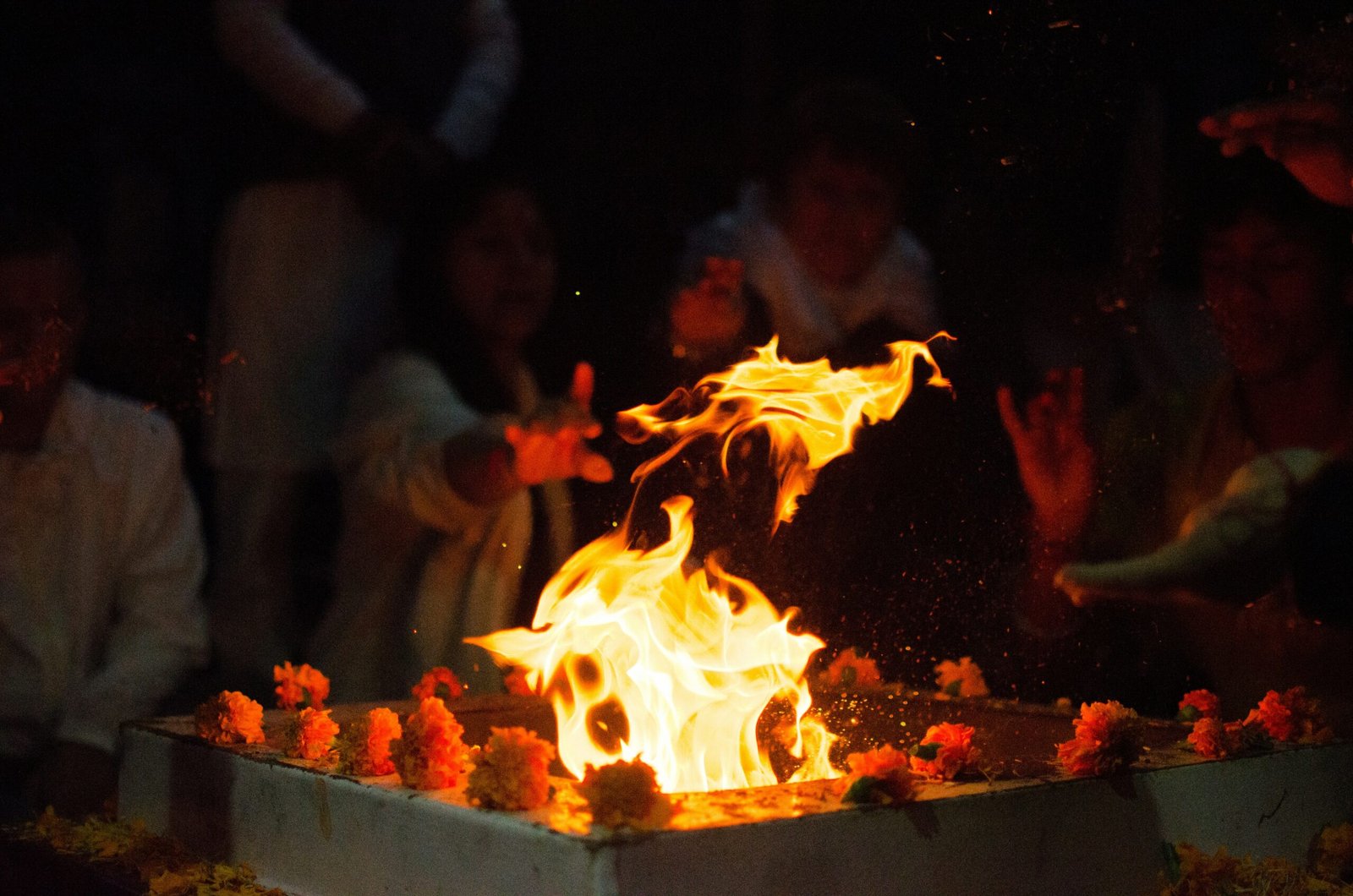
Naamkaran Sanskar
- Overview
- Havan Setup
- Havan Samagri Mix
- Puja Items
- Utilities
🌟 Significance of Naamkaran Sanskar
-
Bestows a meaningful and auspicious name aligned with the child’s birth star
-
Invites divine blessings for long life, health, and prosperity
-
Protects the child from negative energies or doshas
-
Strengthens the child’s spiritual, emotional, and intellectual growth
-
Celebrates the child’s first step into family and society
🕉 Ritual Highlights
-
Personalized Sankalp with child’s name, birth details & gotra
-
Ganesh invocation for removing obstacles and ensuring smooth ritual
-
Saraswati and Vishnu blessings for wisdom, knowledge, and prosperity
-
Havan (Sacred Fire Ritual) to purify and energize the environment
-
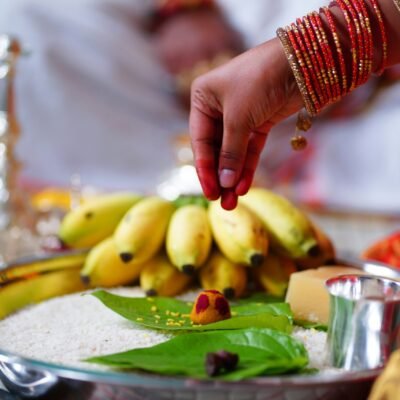
Offering of traditional items like turmeric, rice, flowers, and fruits
-
Live streaming / Video recording option for family participation
Sacred Naming Ceremony & Blessings for the Child
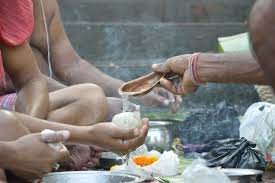
Naamkaran Sanskar is a traditional Vedic ceremony performed to formally name a newborn child and invoke divine blessings for health, prosperity, and spiritual growth. This auspicious ritual is considered one of the most important Sanskars in Hindu tradition, marking the child’s first step into the world with guidance, protection, and positive energy.
The puja seeks blessings from Lord Ganesha, Goddess Saraswati, and Lord Vishnu to ensure the child’s name brings good fortune, wisdom, and a strong spiritual foundation.
Havan Setup
1. Havan Kund: A copper, brass, or clay pit where the fire is lit.
2. Samidha (Wood): Dry Mango wood sticks are traditional, but peepal or sandalwood can also be used.
3. Ghee (Clarified Butter): Pure cow ghee for pouring into the fire.
4. Havan Samagri: A mixture of dried herbs, roots, seeds, and aromatic substances.
5. Camphor (Kapoor): For lighting the fire.
Havan Samagri Mix
If purchasing a ready-made packet, ensure it contains these key elements:
1. Til (Sesame Seeds): Black or white, symbol of protection.
2. Jau (Barley): Symbolizes prosperity.
3. Akshat (Unbroken Rice): Mixed with turmeric.
4. Medicinal Herbs/Resins: Guggul (resin), Sandalwood powder, Loban, Cloves (Laung), Cardamom (Elaichi).
5. Sugar/Khadisakhar: Sugar crystals.
Puja Items
• Kalash (Lota): A metal pot filled with water, topped with coconut and mango leaves.
• Flowers and Garlands: Fresh flowers.
• Mango Leaves: Used for sprinkling water.
• Kumkum and Haldi (Turmeric/Vermilion): For Tilak.
• Betel Leaves & Betel Nuts (Supari): Usually 5 or 11 sets.
• Panchamrit: A mixture of milk, curd, honey, ghee, and sugar.
• Incense sticks (Agarbatti) or Dhoop.
• Fruits and Sweets: For Naivedya/Prasad.
• Coins: Used for sankalpa (vow) and offerings.
• Moli (Kalawa/Red Thread): Sacred thread.
Utilities
• Havan Spoon (Pali): Copper or brass ladle for offering ghee.
• Aasan (Mat): A mat or woollen seat to sit on.
• Panchpatra & Spoon: Small bowl and spoon for holding sanctified water.
• Towels/Paper Napkins: For cleaning hands.
Related products
-
 CAD 251.003 HoursLive Stream
 -
 CAD 251.003 HoursLive Stream
 -
 CAD 251.003 HoursLive Stream
 -
 CAD 251.003 HoursLive Stream