


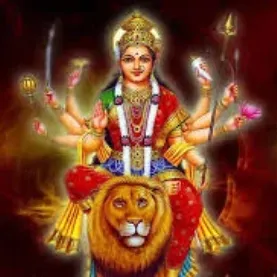
Durga Saptashati Paath
- Overview
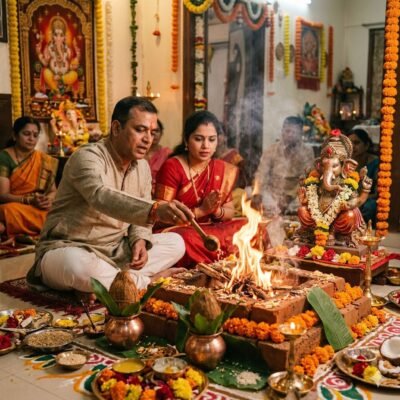
- Havan Setup
- Havan Samagri Mix
- Puja Items
- Utilities
Structure of Durga Saptashati
The scripture is divided into three main sections:
-
Prathama Charitra – Story of Goddess Mahakali
-
Madhyama Charitra – Story of Goddess Mahalakshmi
-
Uttama Charitra – Story of Goddess Mahasaraswati
Together, these chapters narrate the destruction of demons like Madhu-Kaitabha, Mahishasura, and Shumbha-Nishumbha.
Ritual Procedure
The paath is usually performed by a learned priest or by devotees themselves and includes:
-
Sankalp (sacred vow)
-
Ganesh Vandana
-
Kalash Sthapana
-
Recitation of 13 chapters of Durga Saptashati
-
Aarti and offering of bhog
The ritual may take several hours if done in full.
Durga Saptashati Paath is the sacred recitation of the 700 verses (Saptashati) dedicated to Goddess Durga. Also known as the Devi Mahatmya, this powerful scripture glorifies the divine feminine energy and her victory over evil forces.
The text is a part of the Markandeya Purana and describes the divine exploits of Durga in her various forms.
Spiritual Significance
Durga Saptashati Paath is performed to:
-
Remove negative energies and obstacles
-
Gain strength, courage, and protection
-
Overcome fear, enemies, and difficulties
-
Attain spiritual growth and inner power
It emphasizes the triumph of good over evil and the protection of devotees through divine grace.
Havan Setup
1. Havan Kund: A copper, brass, or clay pit where the fire is lit.
2. Samidha (Wood): Dry Mango wood sticks are traditional, but peepal or sandalwood can also be used.
3. Ghee (Clarified Butter): Pure cow ghee for pouring into the fire.
4. Havan Samagri: A mixture of dried herbs, roots, seeds, and aromatic substances.
5. Camphor (Kapoor): For lighting the fire.
Havan Samagri Mix
If purchasing a ready-made packet, ensure it contains these key elements:
1. Til (Sesame Seeds): Black or white, symbol of protection.
2. Jau (Barley): Symbolizes prosperity.
3. Akshat (Unbroken Rice): Mixed with turmeric.
4. Medicinal Herbs/Resins: Guggul (resin), Sandalwood powder, Loban, Cloves (Laung), Cardamom (Elaichi).
5. Sugar/Khadisakhar: Sugar crystals.
Puja Items
• Kalash (Lota): A metal pot filled with water, topped with coconut and mango leaves.
• Flowers and Garlands: Fresh flowers.
• Mango Leaves: Used for sprinkling water.
• Kumkum and Haldi (Turmeric/Vermilion): For Tilak.
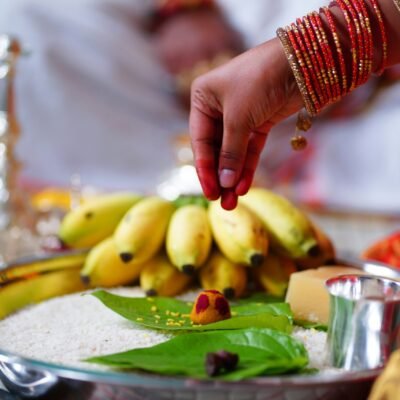
• Betel Leaves & Betel Nuts (Supari): Usually 5 or 11 sets.
• Panchamrit: A mixture of milk, curd, honey, ghee, and sugar.
• Incense sticks (Agarbatti) or Dhoop.
• Fruits and Sweets: For Naivedya/Prasad.
• Coins: Used for sankalpa (vow) and offerings.
• Moli (Kalawa/Red Thread): Sacred thread.
Utilities
• Havan Spoon (Pali): Copper or brass ladle for offering ghee.
• Aasan (Mat): A mat or woollen seat to sit on.
• Panchpatra & Spoon: Small bowl and spoon for holding sanctified water.
• Towels/Paper Napkins: For cleaning hands.
Related products
-
 USD 251.003 HoursLive Stream
 -
 USD 251.003 HoursLive Stream
 -
 USD 251.003 HoursLive Stream
 -
 USD 251.003 HoursLive Stream